On my first visit to Scotland, I learned many things about its history and culture. I wanted to share this knowledge with my WTH readers.
What’s with the Kilt?
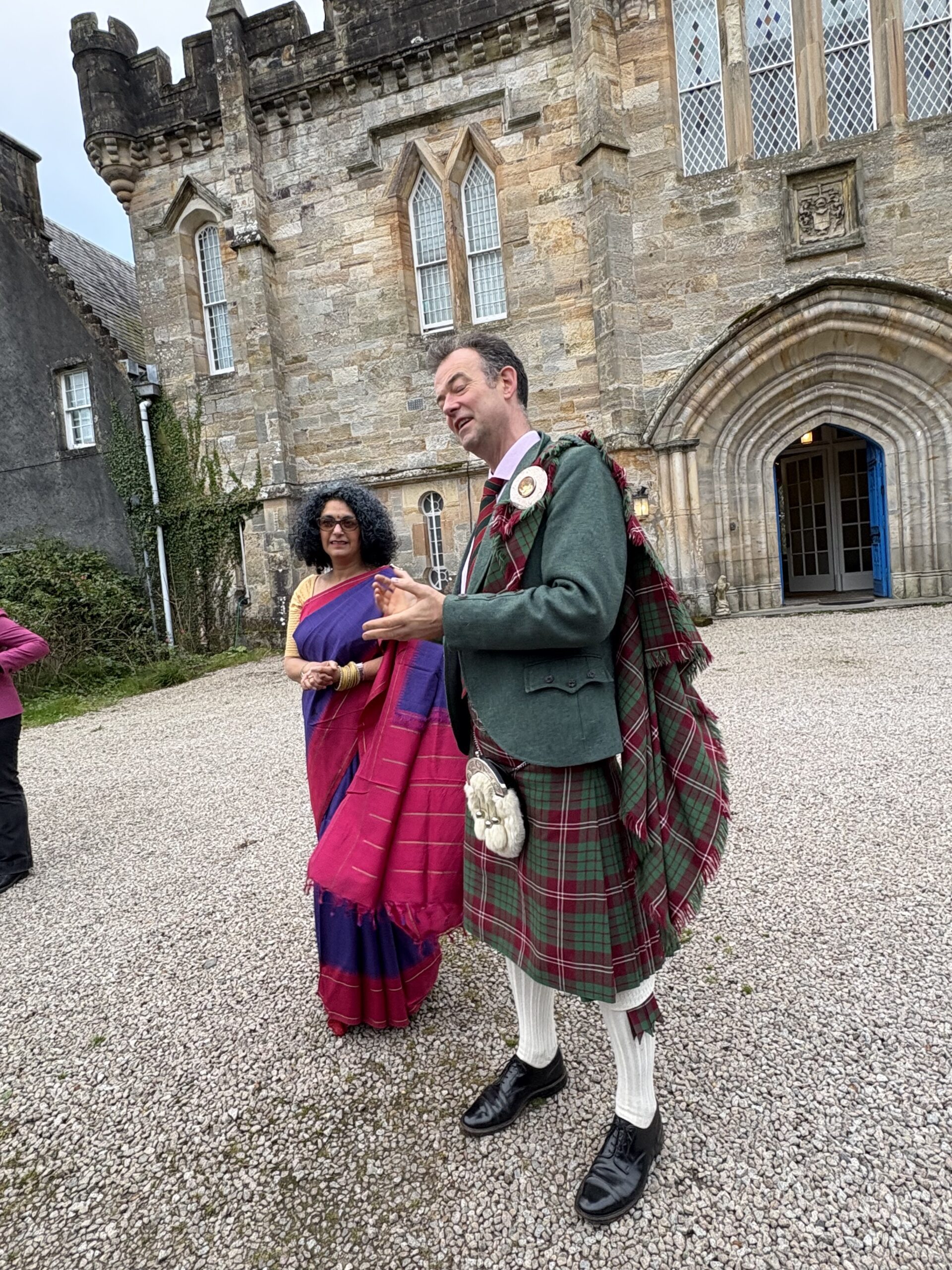
The first kilts, construction-wise, were worn like a Roman tunic. Five yards of material cover both a man’s top and bottom. The kilt we are familiar with today covers the waist to the knee. This style was updated between the 17th and 18th centuries.
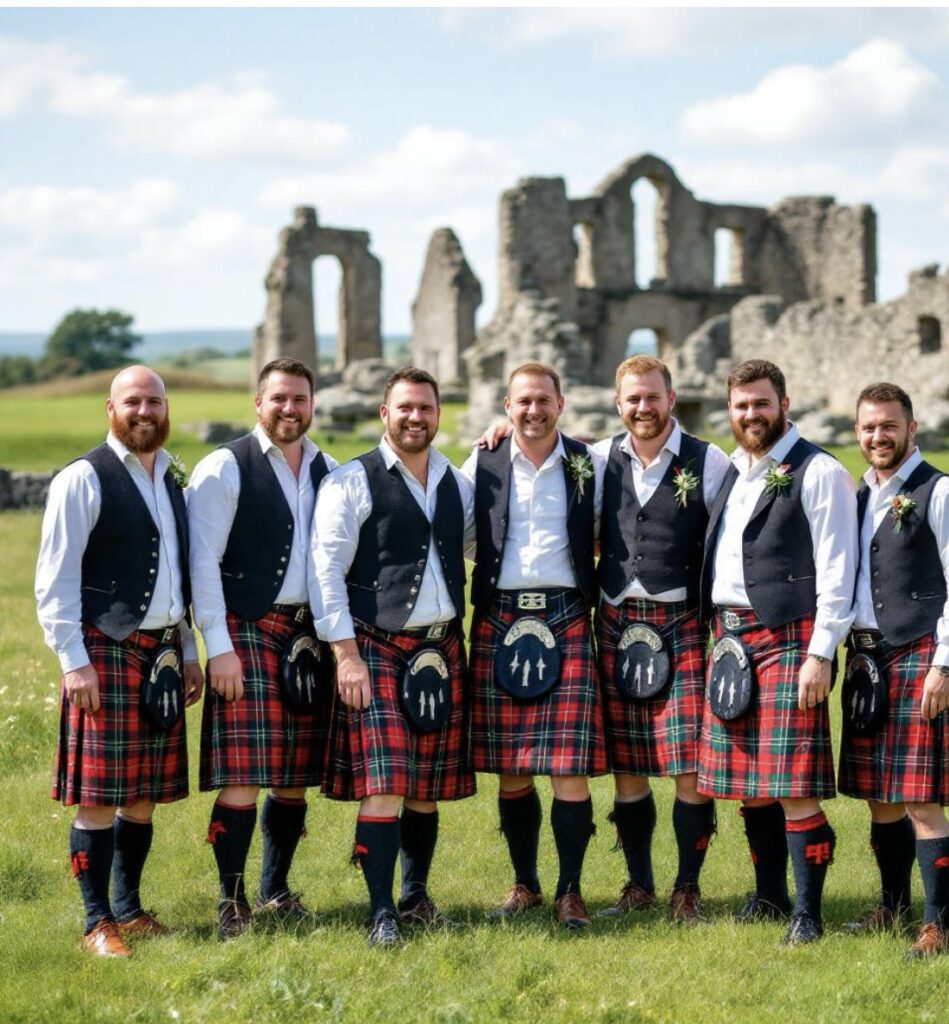
Man wearing a Kilt
The Dress Act
After the Battle of Culloden in 1746, they passed a Dress Act to outlaw kilts. This was an attempt to suppress Highland culture and rebellion. The law was repealed in 1782. The popularity was regained by Sir Walter Scott. He wore a kilt to a George IV event. This became synonymous with Scottish identity.
Modern Kilt Wear
Today they wear kilts to weddings, Scottish dances, Highland Games, and Burns Night. Scottish regiments in the British Army wear kilts as part of their ceremonial dress. To cultivate the whole look, you need accessories. A sporran is a pouch worn up front, a small knife tucked in the socks, belts, kilt pins, various jackets, hats, long socks, and traditional shoes. A proper outfit today can cost anywhere from $1200 up to thousands.
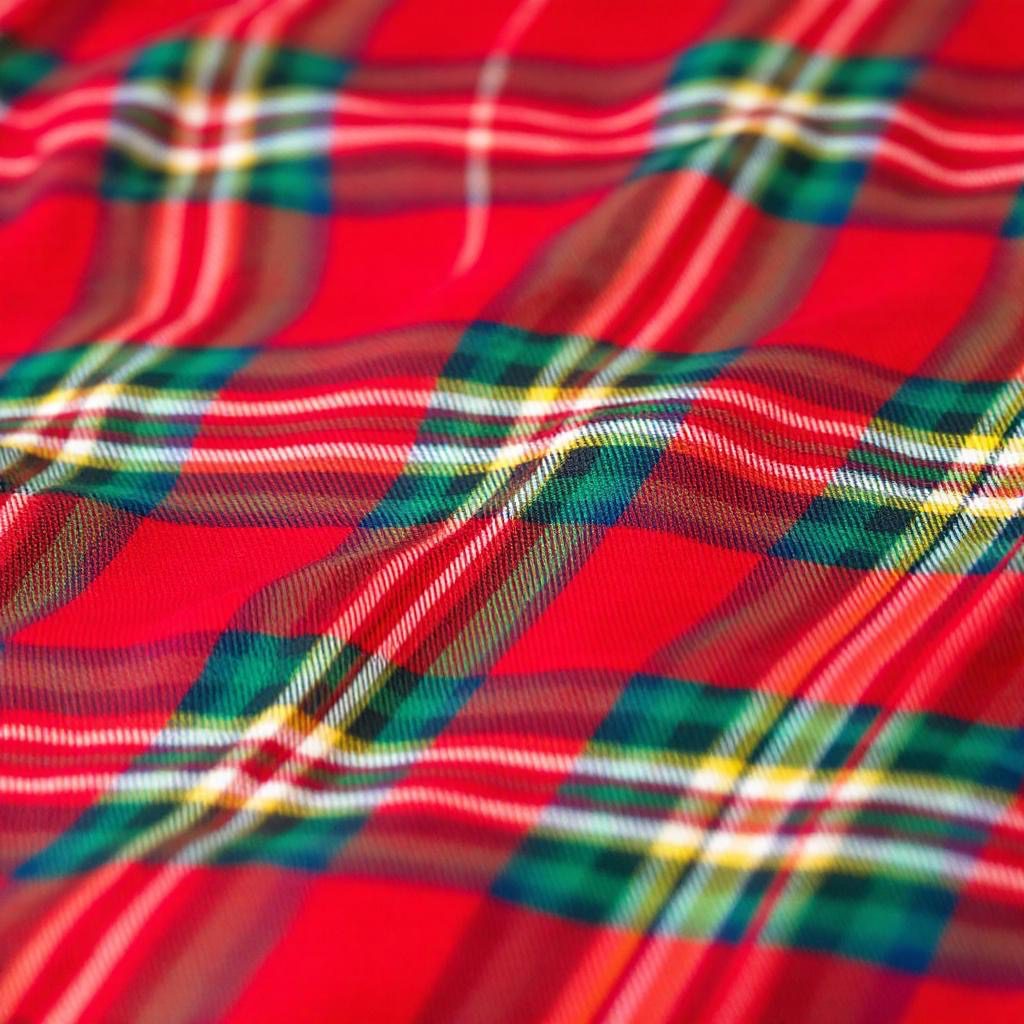
We are all familiar with the plaid pattern, but it has way more significance in Scotland. Tartans can show what clan, family, or region a person comes from. The Dress Act disallowed the wearing of tartans. When it was repealed, the tartan design became synonymous with being Scottish. There is a Scottish Register of Tartans. This preserves the authenticity and uniqueness of the patterns. This prevents duplication and secures the efficacy of new designs.
A Clan AI image
Clan
Clans originating in the Highlands, clans go back to early medieval times. The term comes from the Gaelic word. “clann,” meaning children or “offspring “. The structure of this familial group was that the head was considered a chief. As described above, a particular tartan pattern can identify them. Clans have their motto and crest. Today, there is still historical significance and pride.
Bagpipes
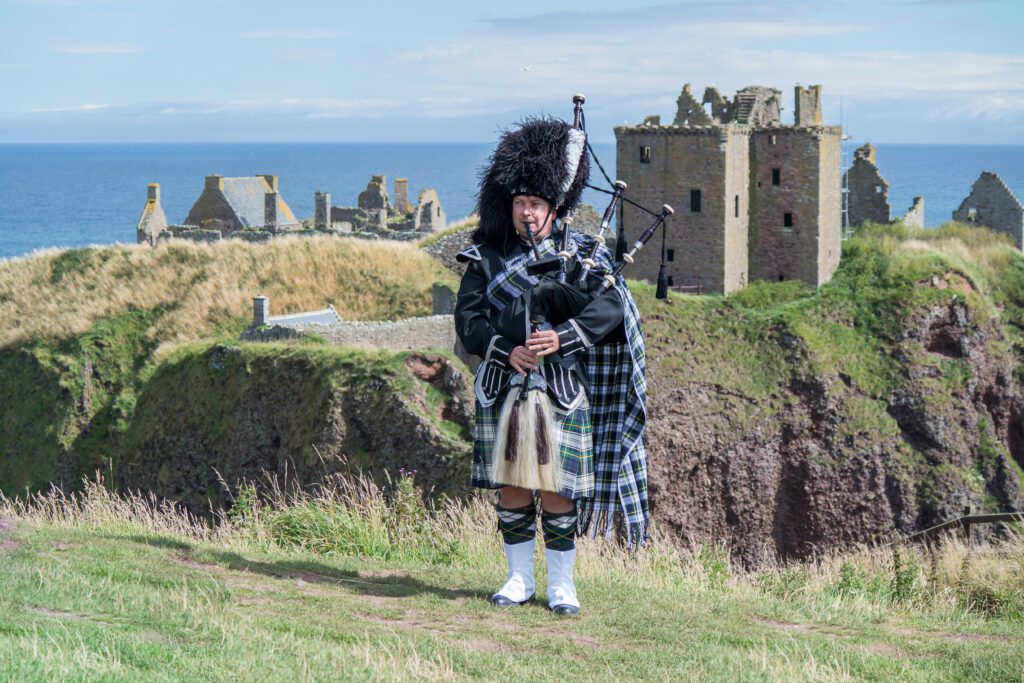
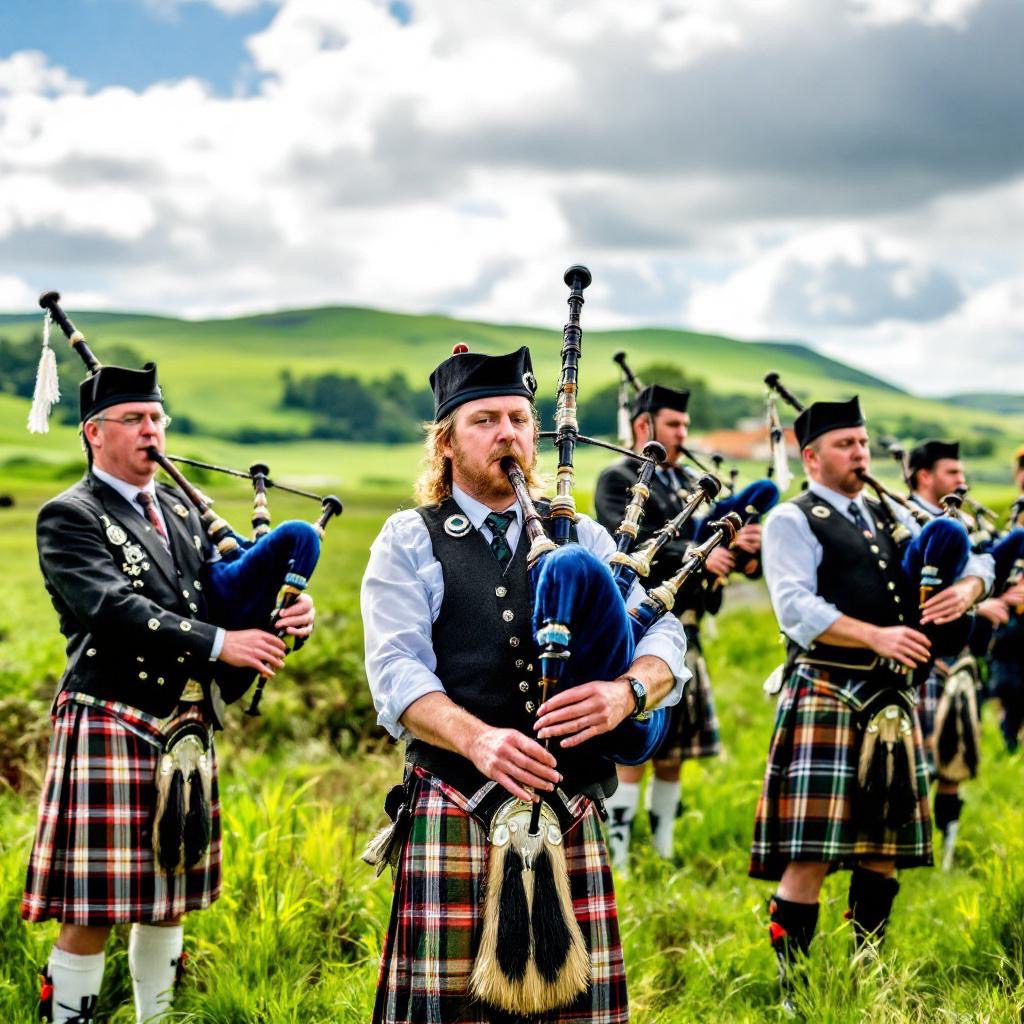
Existing bagpipes in the Highlands came to Scotland between the 15th and 17th centuries. The distinctive musical sound was used by the military to rally the troops and intimidate the enemy during the 18th century. Today, it is a cultural symbol used for ceremonies, celebrations, and funerals
Scottish Terminology
Loch- is a lake
Wee dram- a small drink of whiskey
Aye- yes
Haggis- a Scottish food mainstay made from sheep innards mixed with onions, oatmeal, animal fat, spices, and stock.
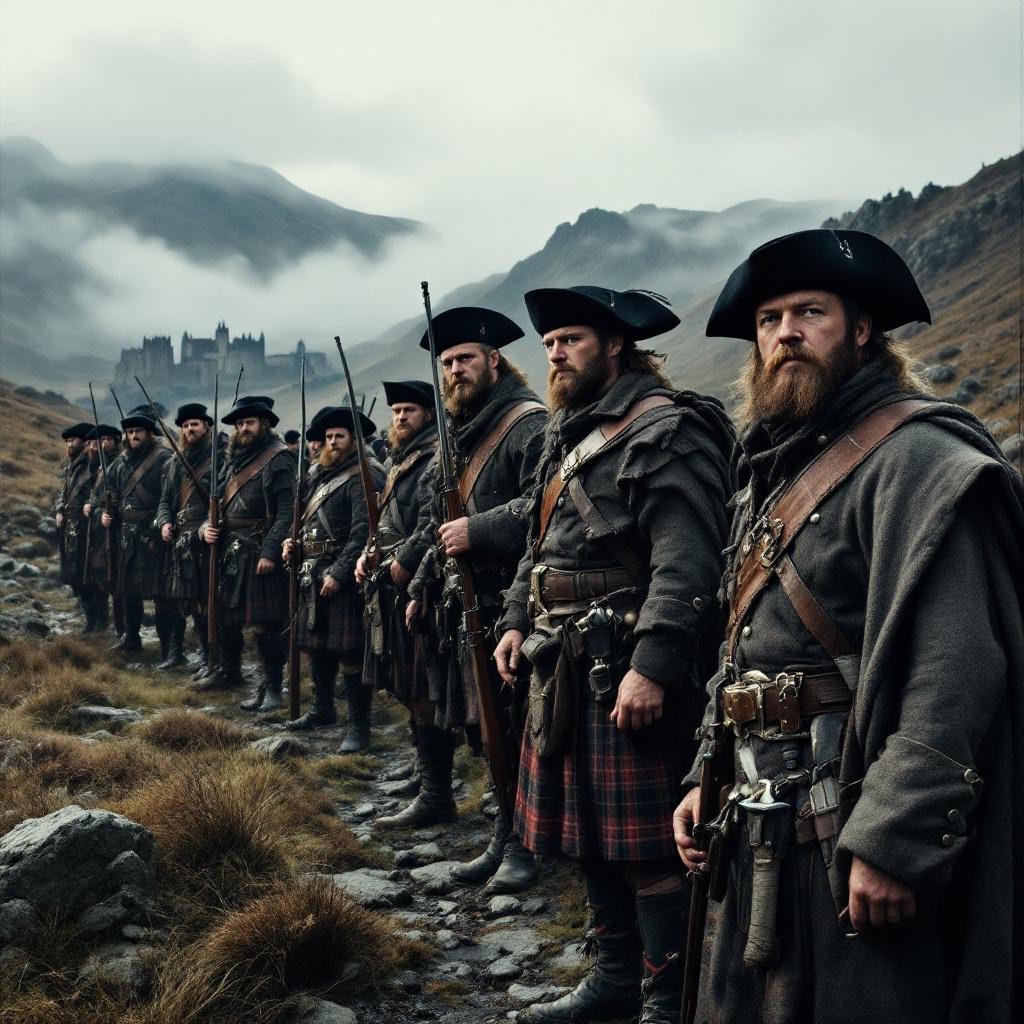
Jacobite- is someone who supported restoring the Stuart monarchy.
Tartan- Royal Stuart Pattern AI image
Bagpipers AI image
Notable Scots
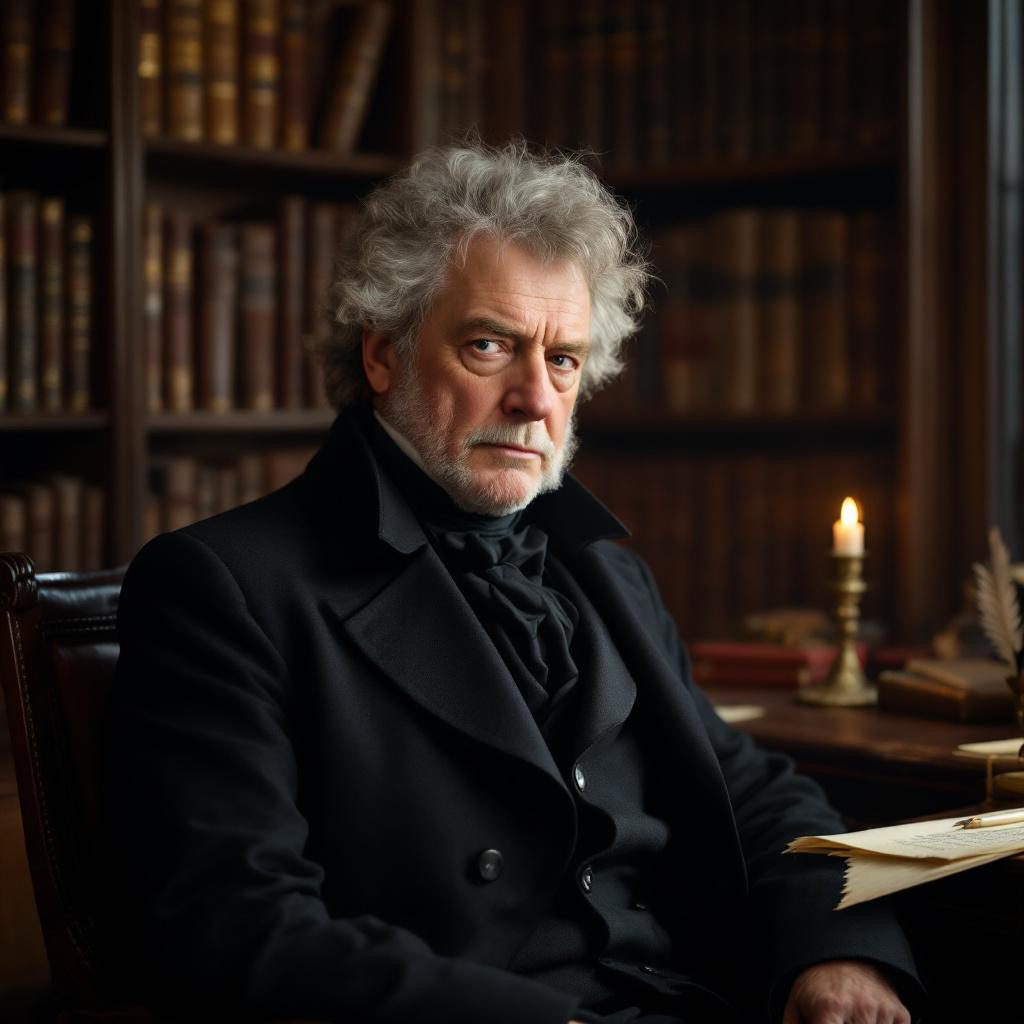
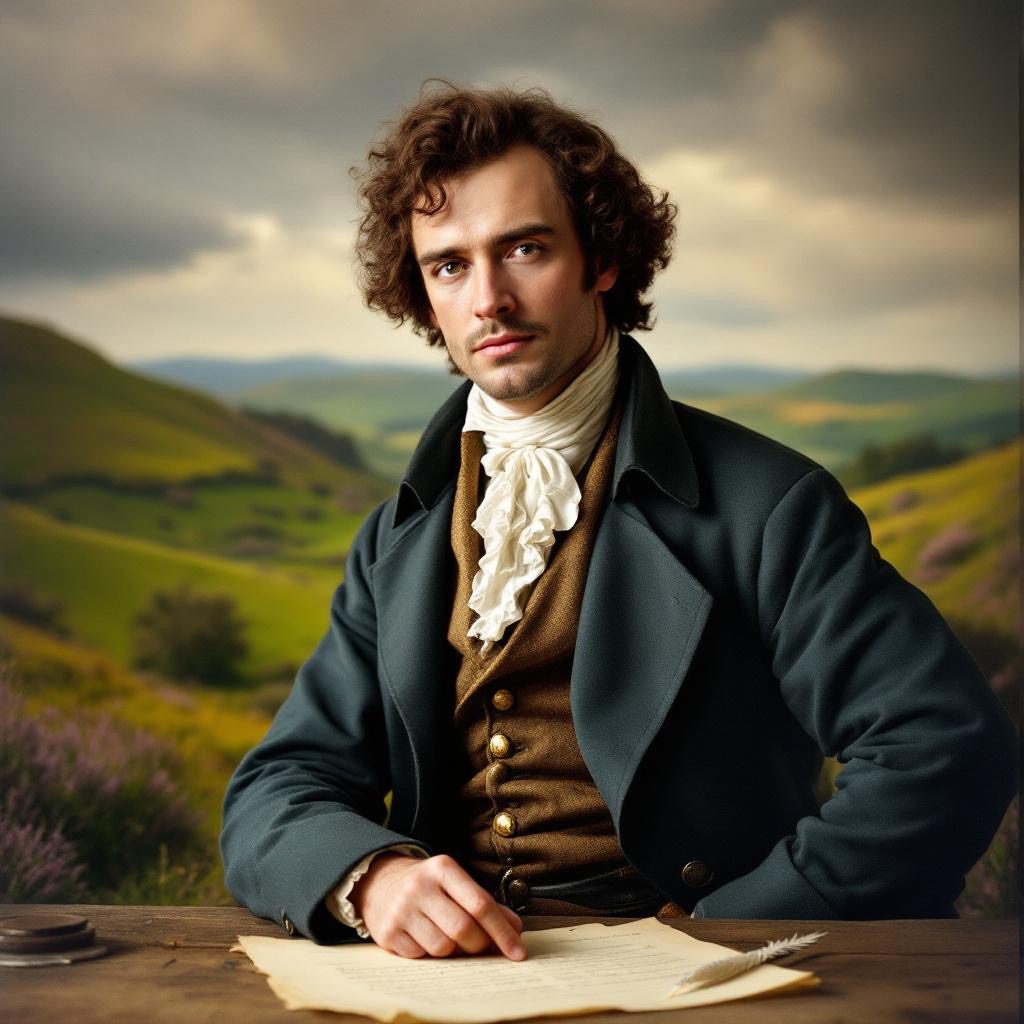
Sir Walter Scott
famous Scottish playwright, novelist, and poet. Wrote Ivanhoe, Rob Roy, and The Lady of the Lake. 1771-1832.
Sir Walter Scott- AI image
The Jacobites fought to regain Scottish ruleAI rule Scottish rule
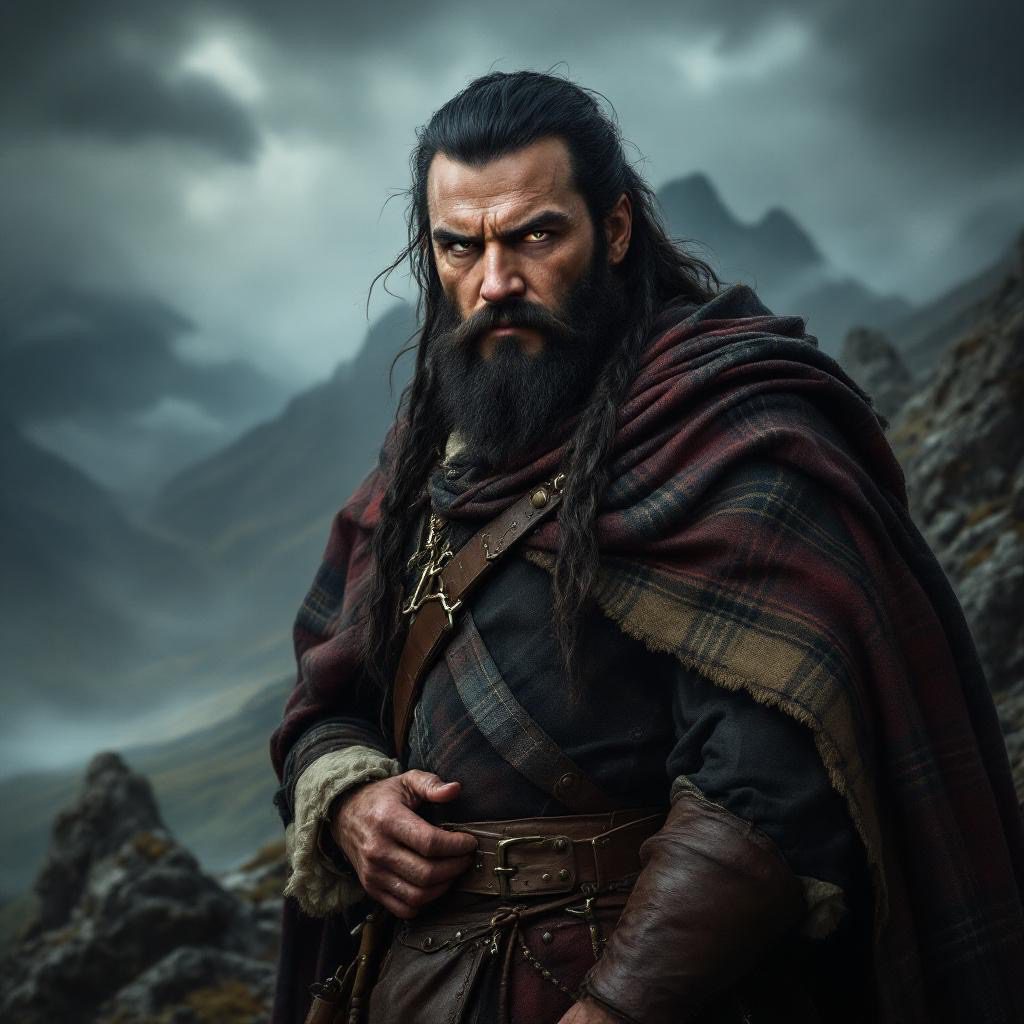
Rob Roy MacGregor
became a Scottish folk hero. His clan was known in the Highlands as independent and fierce. He became a Jacobite and fought to reinstate the Stuart monarchy in an uprising of 1715, which failed. Roy has been compared to Robin Hood as a symbol of resistance against oppression and injustice. 1671-1734
Rob Roy MacGregor- AI image
Robert Burns
is such a loved literary figure in Scotland. There is an annual celebration on January 25. Burns is the author of Auld Lang Syne. More important for Scots is his poem Address to a Haggis. His legacy has become a proud expression of Scottish traditions bringing together community., 1759-1796
Robert Burns-AI image
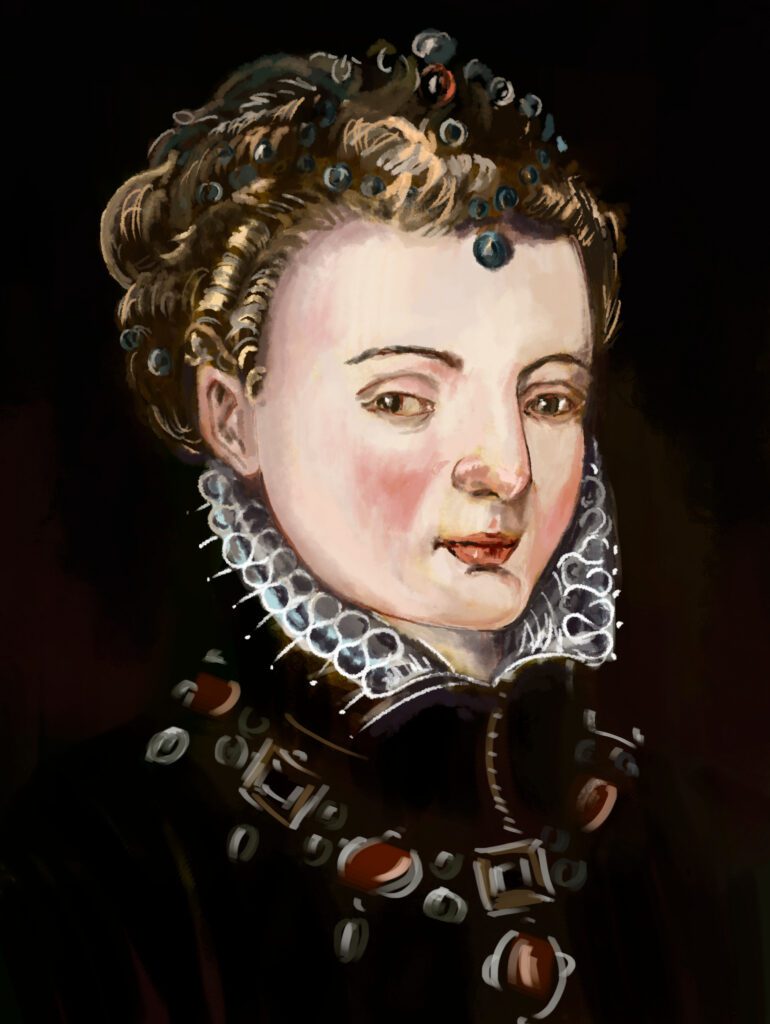
Mary Queen of Scots
Mary was made a queen as an infant. She was sent to France to be groomed for her position. After marrying King Francis of France, unfortunately, she became a widow at 18 years of age. Returning as Ruler of Scotland, it was a turbulent time. The country was experiencing the Protestant Reformation, and Mary was a staunch Catholic. She had to abdicate and pass the crown to her infant son, James VI. She fled to England to get protection from her cousin Queen Elizabeth I. She was jailed for two decades, then killed on a conspiracy charge against the Monarch. 1542-1587.
Mary Queen of Scots
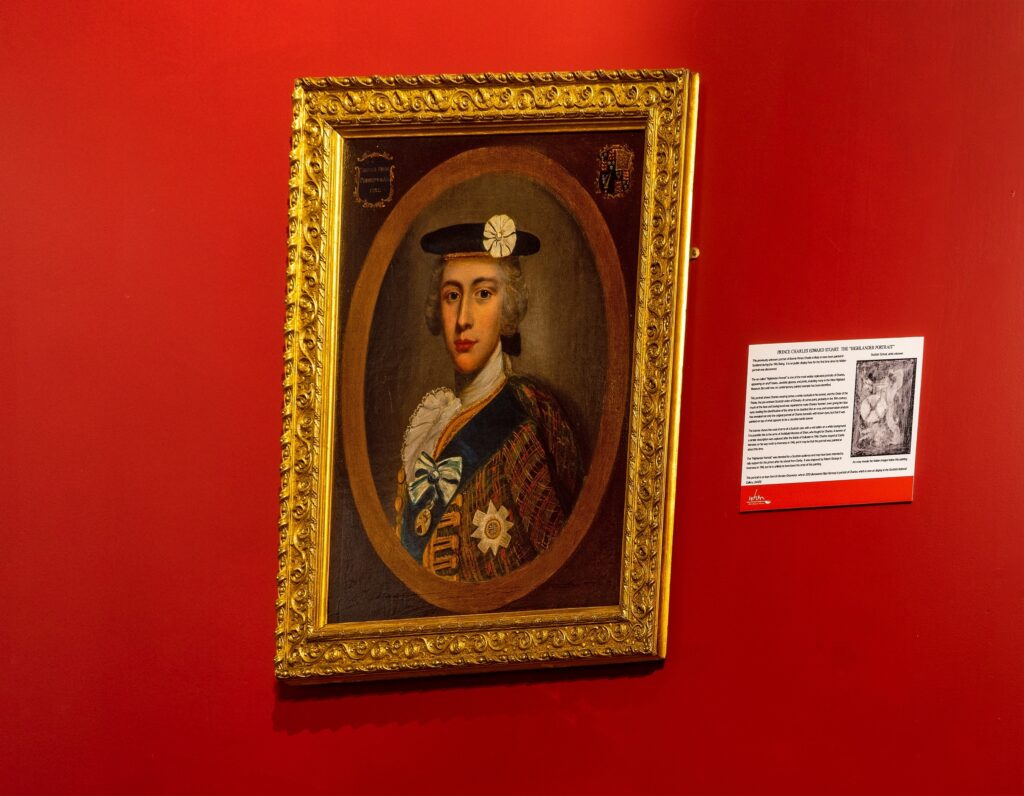
Bonnie Prince Charles
was a well–respected leader of the Scots. He was determined to have the Stuarts restored to the British crown. After the Jacobites’ defeatat Culloden in 1745, the prince exiled himself to mainland Europe. Bonnie Charlie was looked at as a heroic figure and was written about in many poems and songs. 1720-1788.
Bonnie Prince Charles
The Bonnie Banks of Loch Lomond
This well known Scottish tune would definitely be played at some time during a visit.
O ye’ll tak the high road, and I’ll tak the low road
And I’ll be in Scotland afore ye;
But me and my true love will never meet again On the bonnie, bonnie banks of Loch Lomond
One of the interpretations of this is a love song. English captured two brothers. They were given the choice that one will be killed and the other return home to tell others of their plight. The brother who was sacrificed sent a letter to his lady. The low road is considered the spirit’s passage back to Scotland, and the high road is the physical journey..
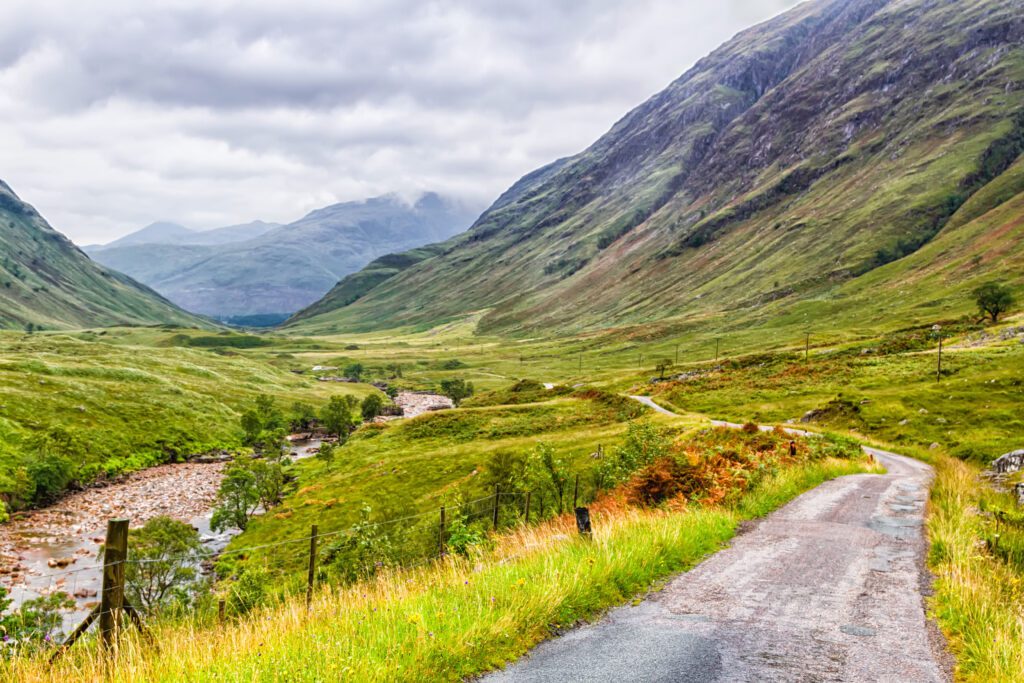
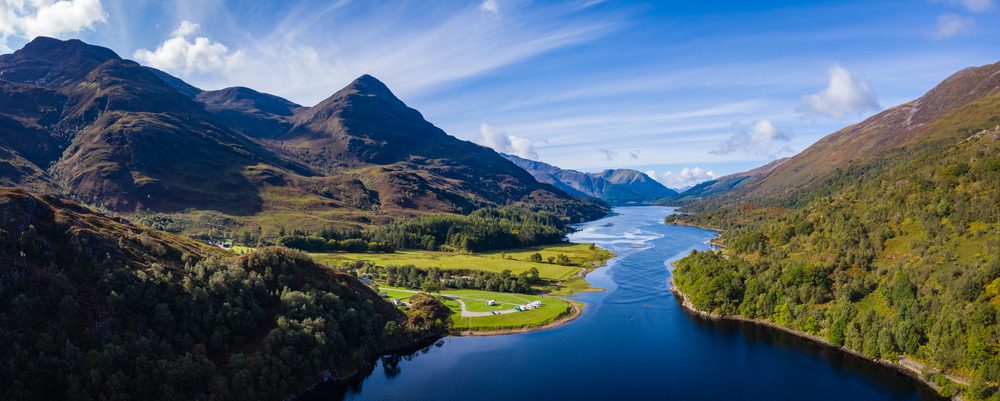
The Scottish Highlands
Conclusion
Scotland has a very long history, and there’s a lot more to learn. I will share all the places I visited on my tour. So keep an eye open for more issues of WTH.